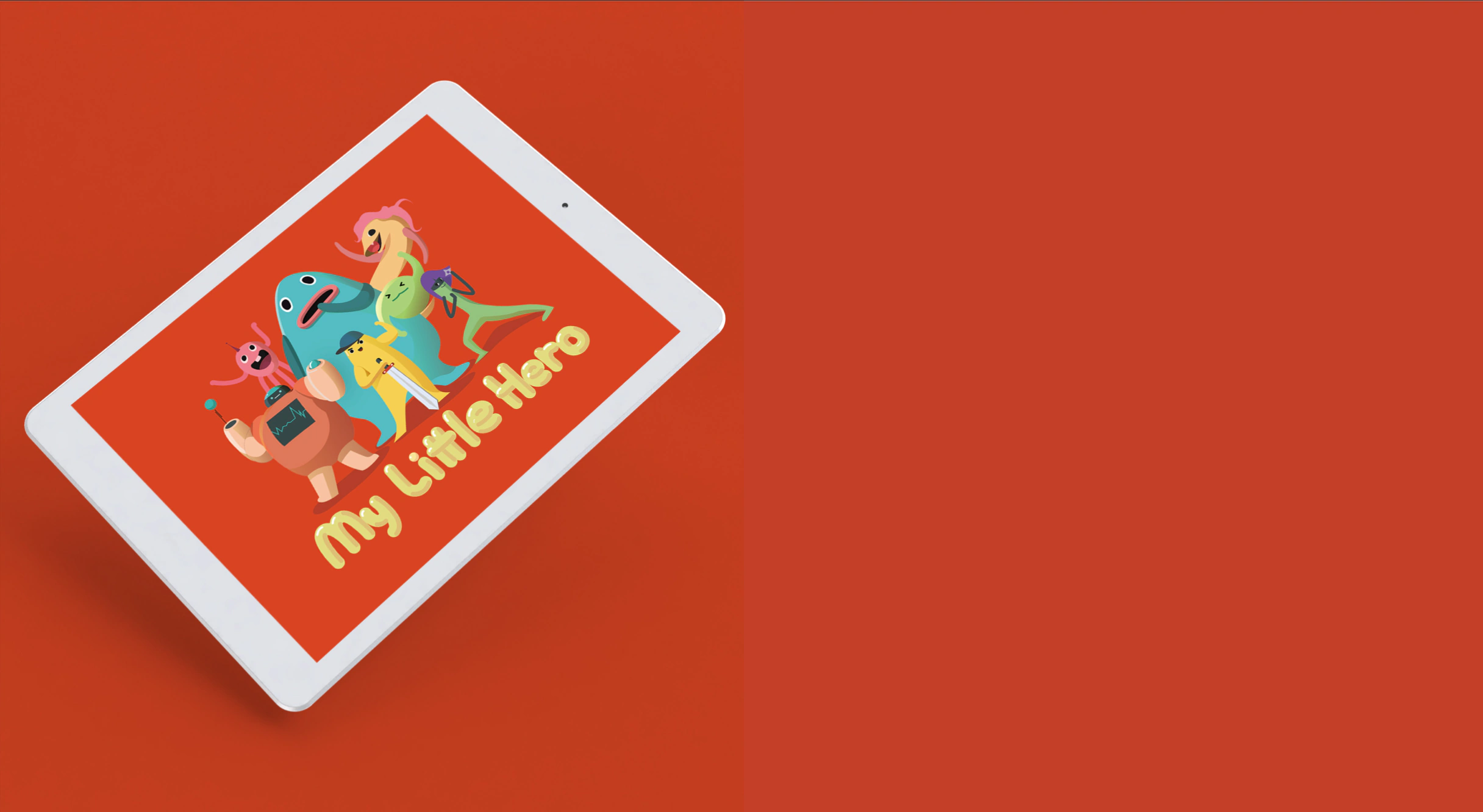
‘My Little Hero’ is a digital game designed to facilitate communications between long-term hospitalized children's family members. It encourages all family members to play with the child and help them make progress in the game. The game's story was designed to help children and their family members understand the interactions between diseases and the immune system.
What inspired this project
I heard a story from my friend about how long-term hospitalization made her disconnected from the family when she was a child. She said long-term hospitalization makes the child lose connection with people outside of the hospital. It makes it difficult to have a common interest that the child can share with other family members. I decided to design an app that can connect families with long-term hospitalized children.
App Summary
Reality: If a child is hospitalized for a long time, communication between the family members becomes lacking and distant.
Problem: When the child is hospitalized for a long time, the family is divided into two groups. One group stays in the hospital to take care of the child, and the other group has a normal life. The difference between the two groups grows as the hospitalized term gets longer. It is a result of a separation between the two. In many cases, this is traumatic for the child. It can remain even after they are discharged from the hospital.
Solution: I wanted to encourage communication between family members and to create shared topics that can facilitate conversations. In the game, the child becomes an immune cell character and explores the body. Other members also become immune cells or DNA and help the child's character overcome the disease in the game. It allows the child and family members to understand the immune system and build healthy habits.
Importance: Communication between family can prevent trauma that can be caused by disconnection. Also, the child can build healthy habits through the game.
Problems
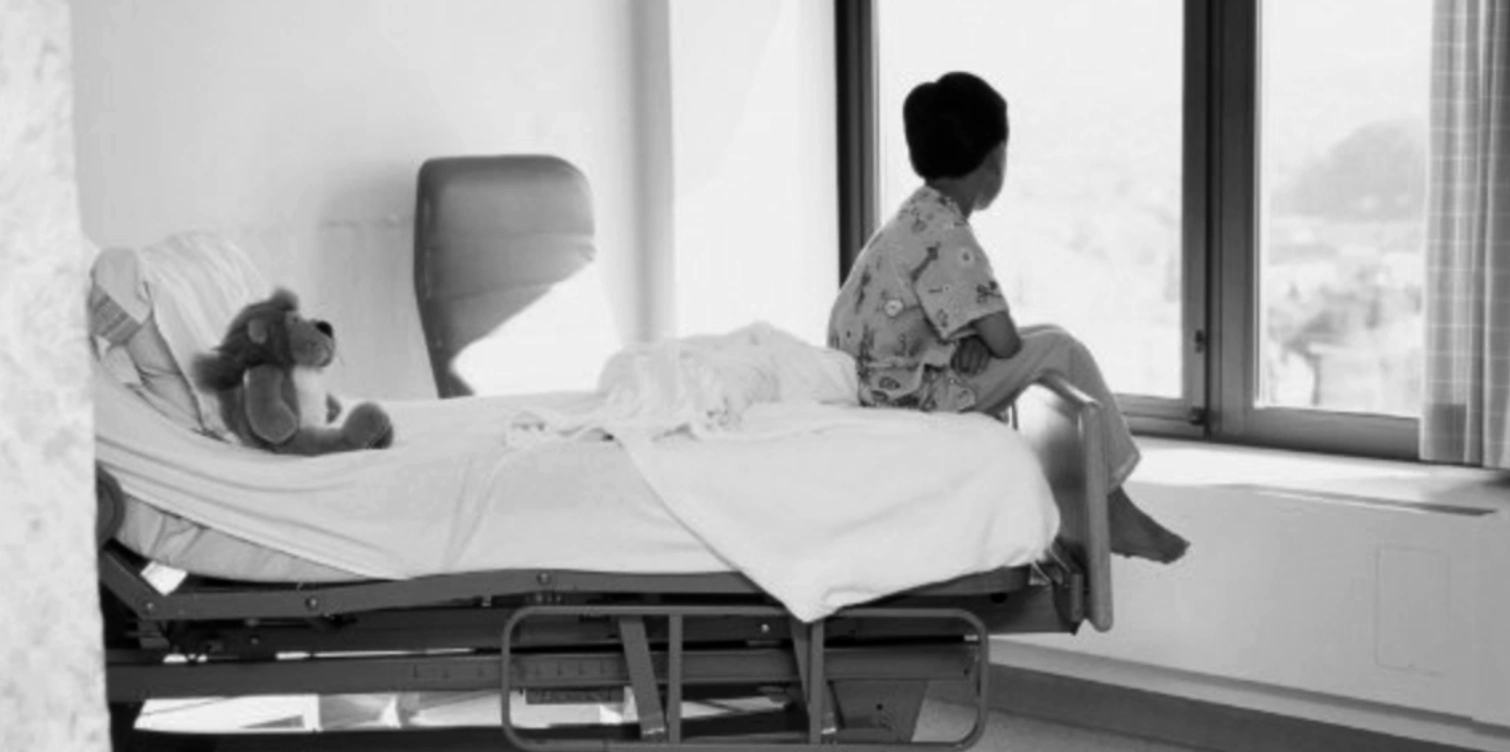
Problems caused by a child's long-term hospitalization
Separation of family
The family is divided into a nursing family and a family that has a normal life, resulting in a separation between the two.

Lack of stimulation through play
Although childhood needs a variety of stimuli, it is difficult to play in hospitals.

A lack of understanding of disease
The child did not understand why his body was sick or how the organs of his body work. Due to this, the treatment process was more difficult and painful. Young siblings were also jealous or harassed without understanding why sick siblings were hospitalized.
Design Insights
Digital Solution to Connect Family
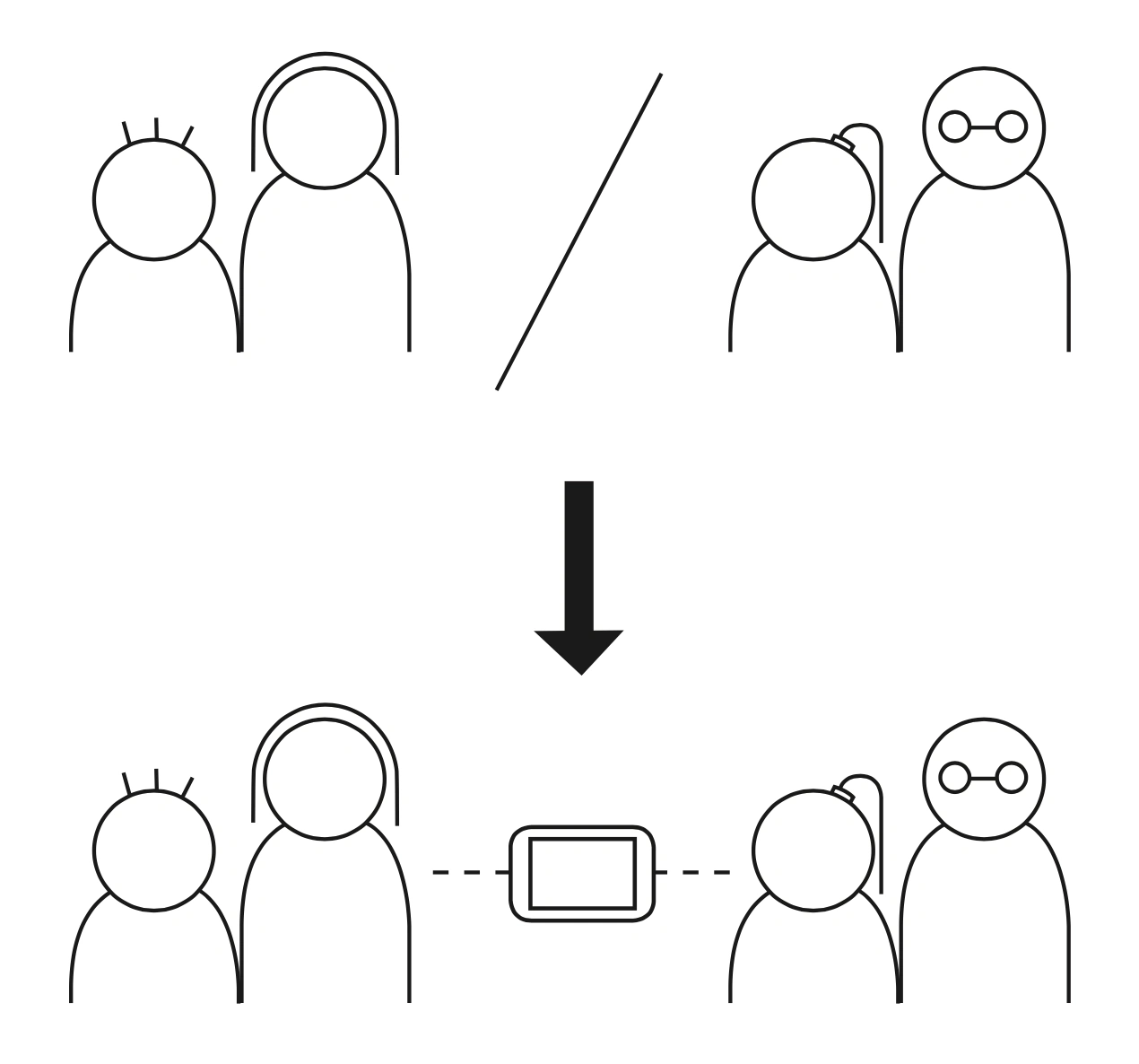
A family is divided into two groups—one that belongs to the hospital and the other that belongs to everyday life. As the hospitalization gets longer, they come to have less common background to share.
“Let's make a family game that all family members can enjoy and can share common subjects.”
1. Increase Self-Confidence by Using the ‘Hero's Journey’ Structure
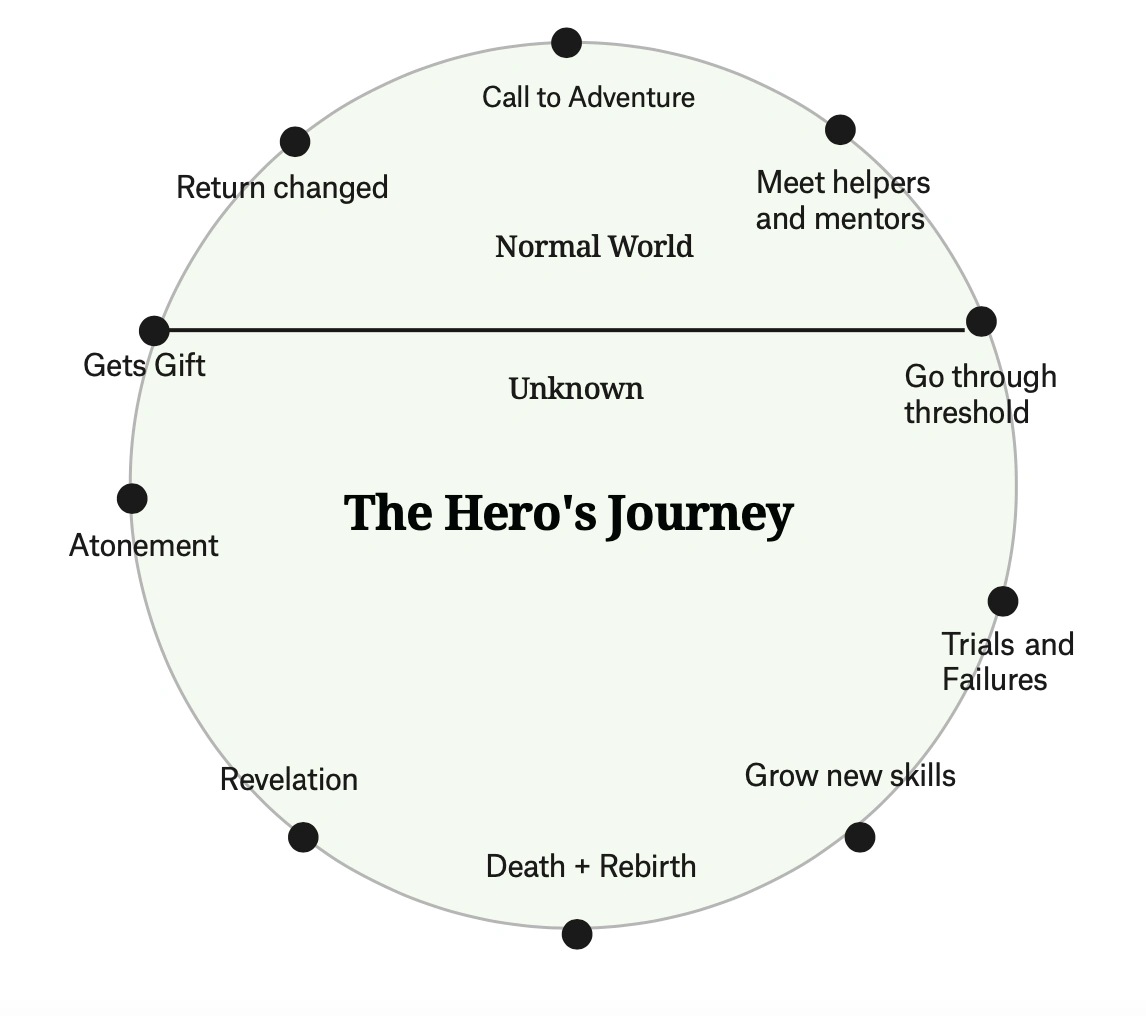
Structure of the hero myth
The child fighting with germs and becoming healthy seemed similar to the process of an ordinary character becoming a hero in the hero's myth story. Therefore, I decided to use the structure of the ‘Hero's Journey’.
Effects
1. Fun
The hero myth structure has long been an interesting organization for readers. The structure helps to keep readers interested in the story.
2. Recovering self-esteem
Through the process of becoming a hero, the child overcomes the feeling of helplessness and restores confidence.
2. Understanding How the Body Works
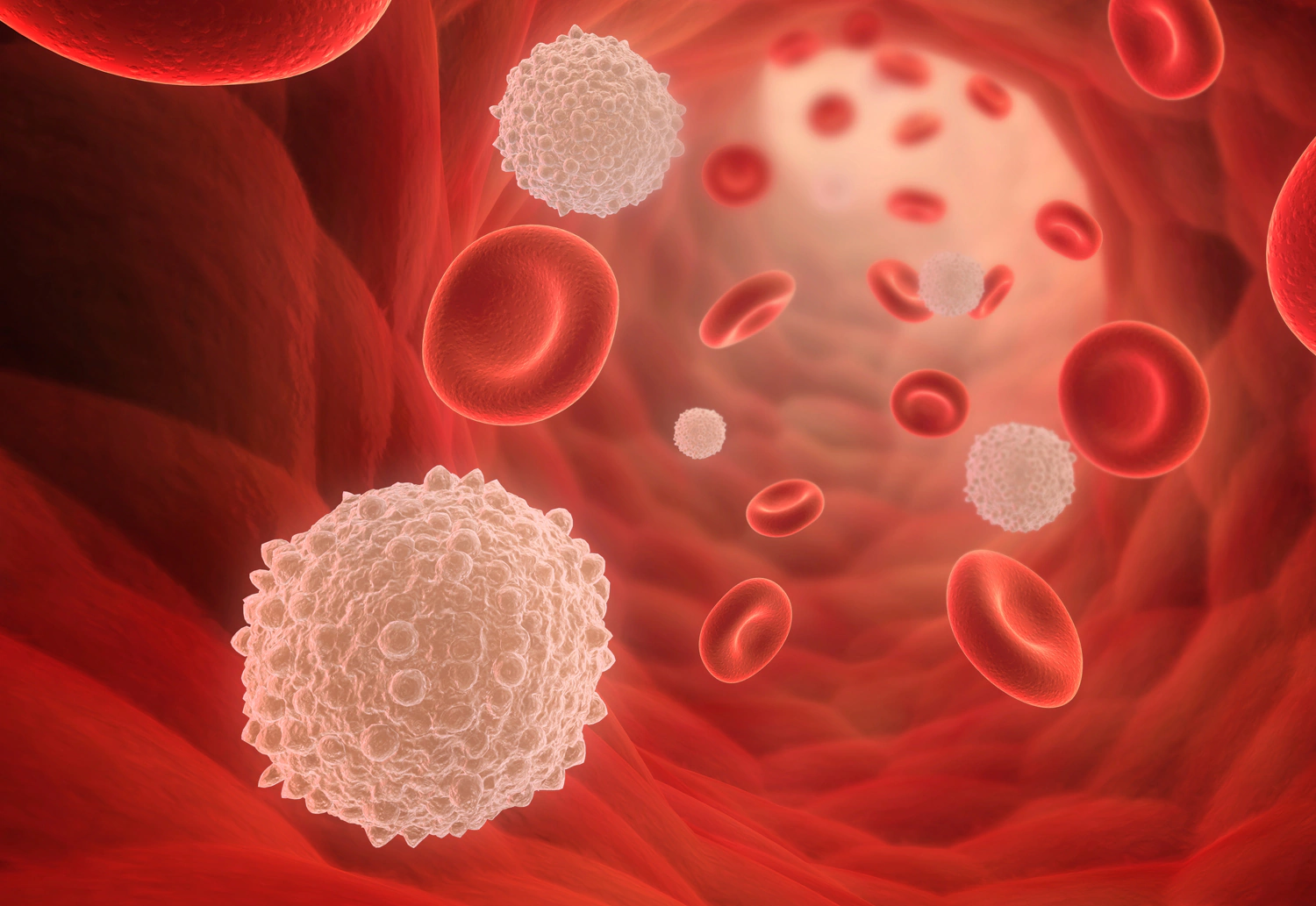
Become an immune cell in the game
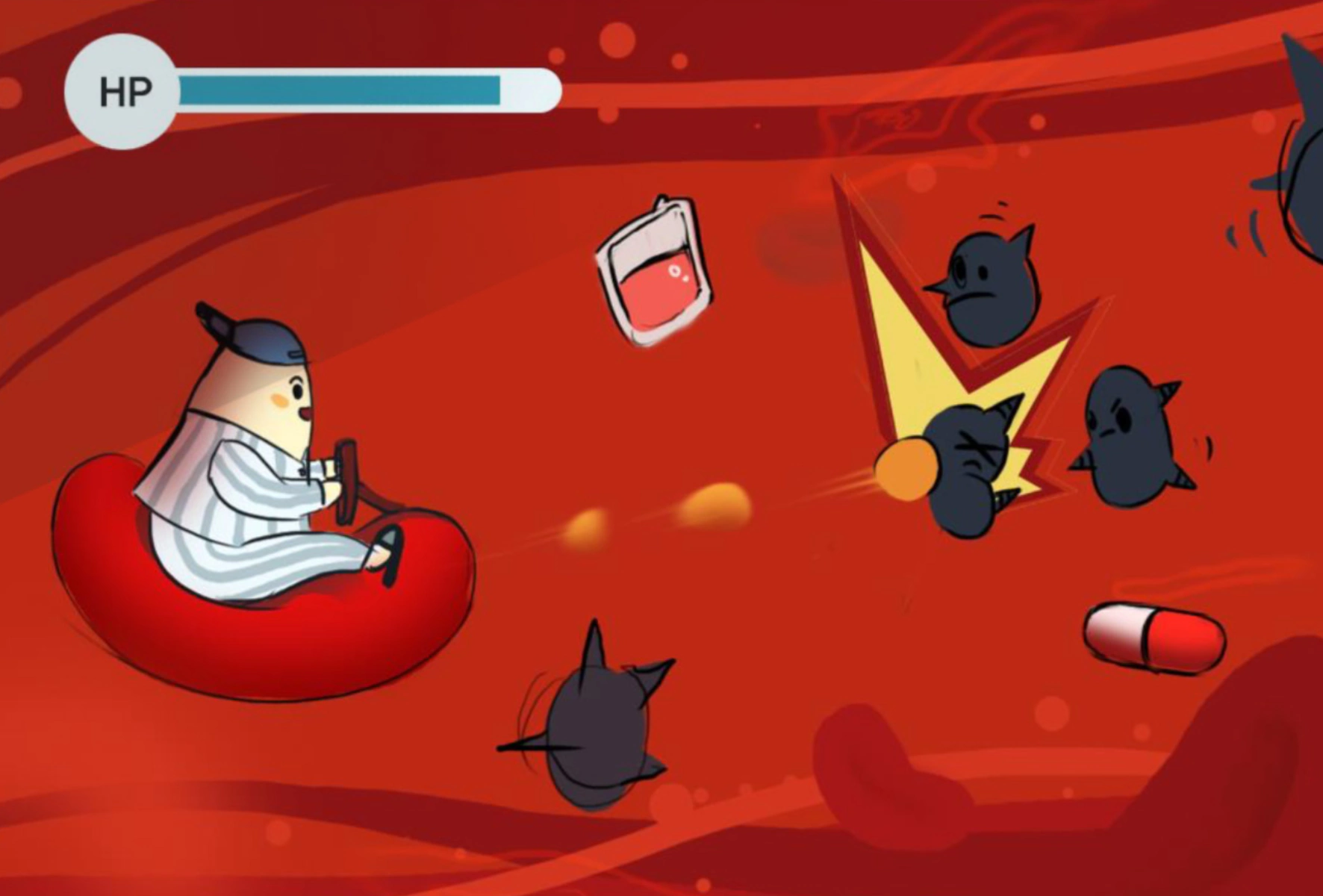
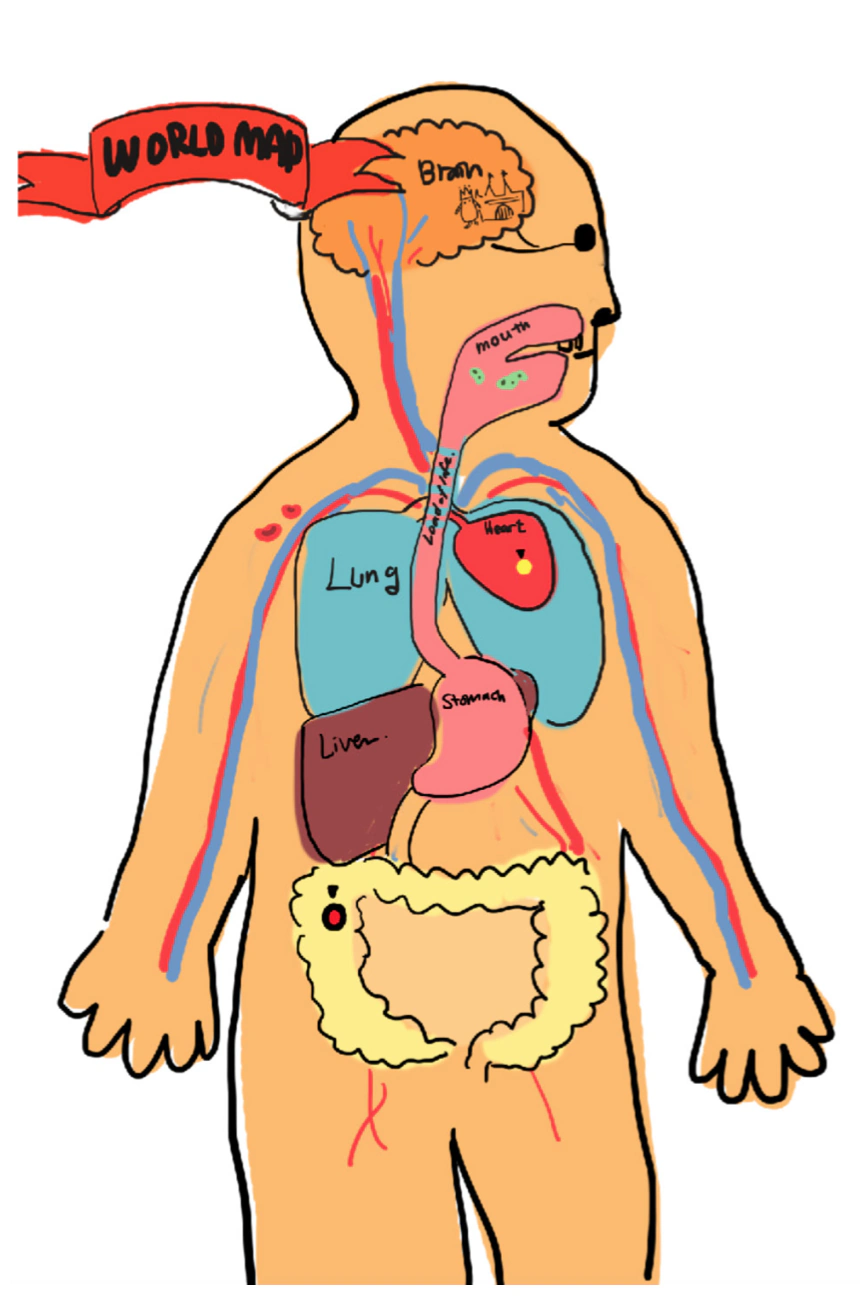
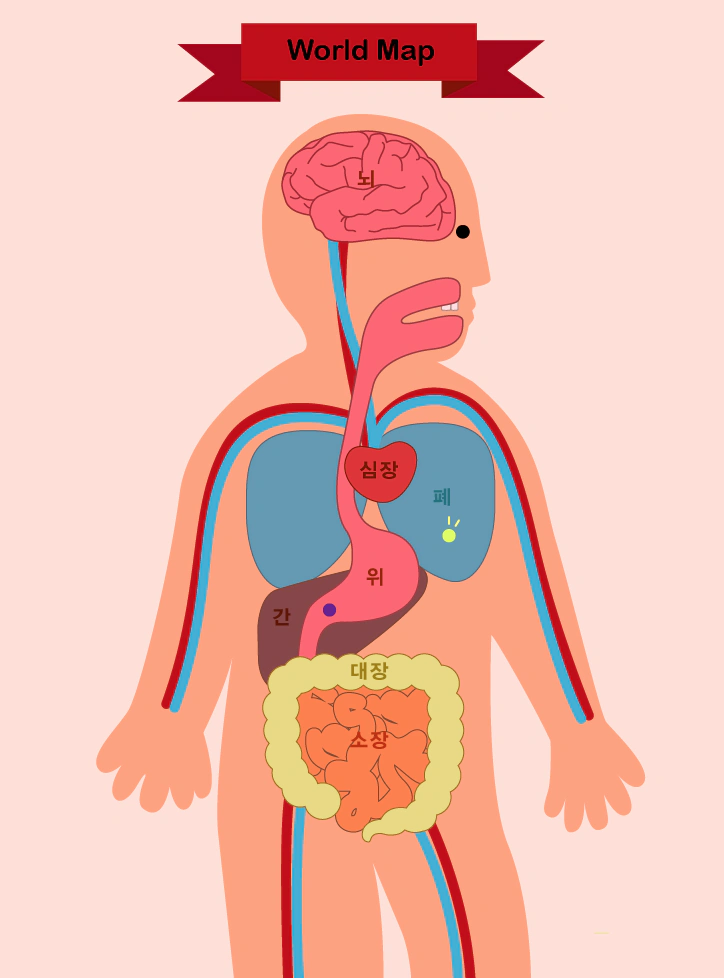
The child explores the whole body by becoming an immune cell in the game. The character fights with germs and meets other helpful immune cells.
Effects
Understanding the body
Children and their families can naturally learn about the body's immune system and about organs. It helps children understand the treatment they get at the hospital.
3. Family Sends Quests to Each Other to Entertain and Acquire Healthy Habits
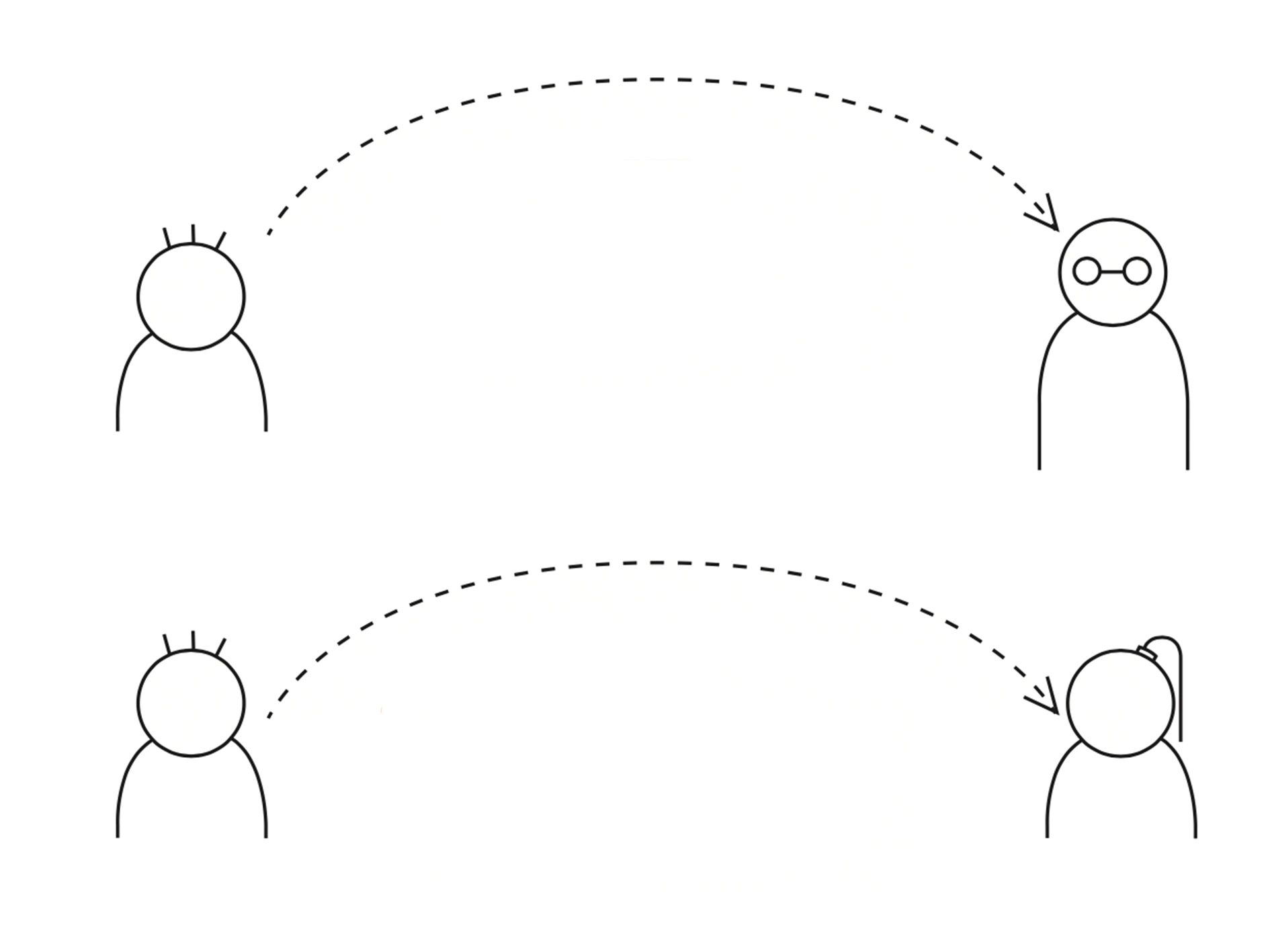
Effects
By singing a song to the father, they can have a family bond and the father helps the child's gameplay by approving the quest. A child can get a feeling of being supported by the family.
Effects
By sending a quest related to a healthy lifestyle, a child can learn about healthy habits while playing the game.
4. Receiving Support
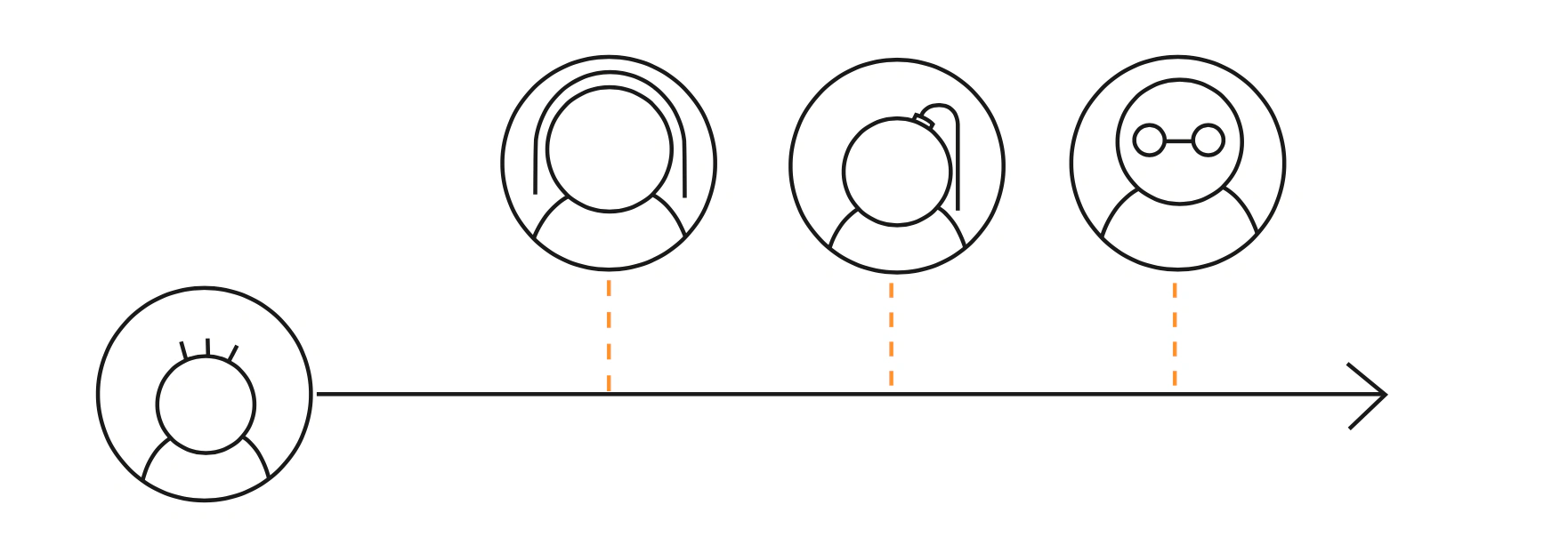
A family member has the role of the supporter in the game.
They collaborate whenever they meet germs in the game to solve the problems; by collaboration, they can finish the game and win the fight.
Solution
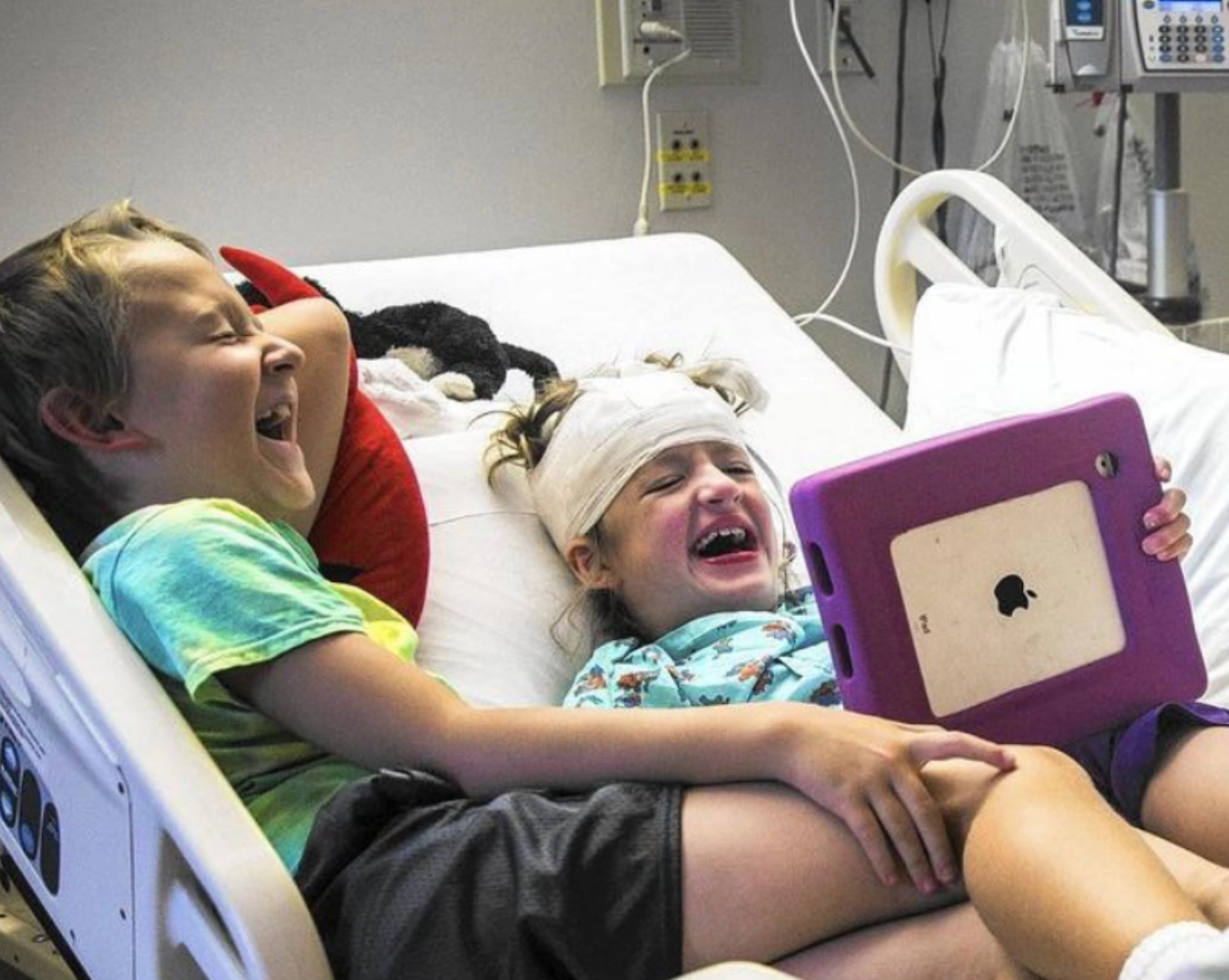
A digital game that the whole family can play together and understand the child's diseases and circumstances.
Parents can participate in their daily lives because their roles are helper and supporter; their part is made of easy tasks like approving a child's requests or playing a mini-game.
Design
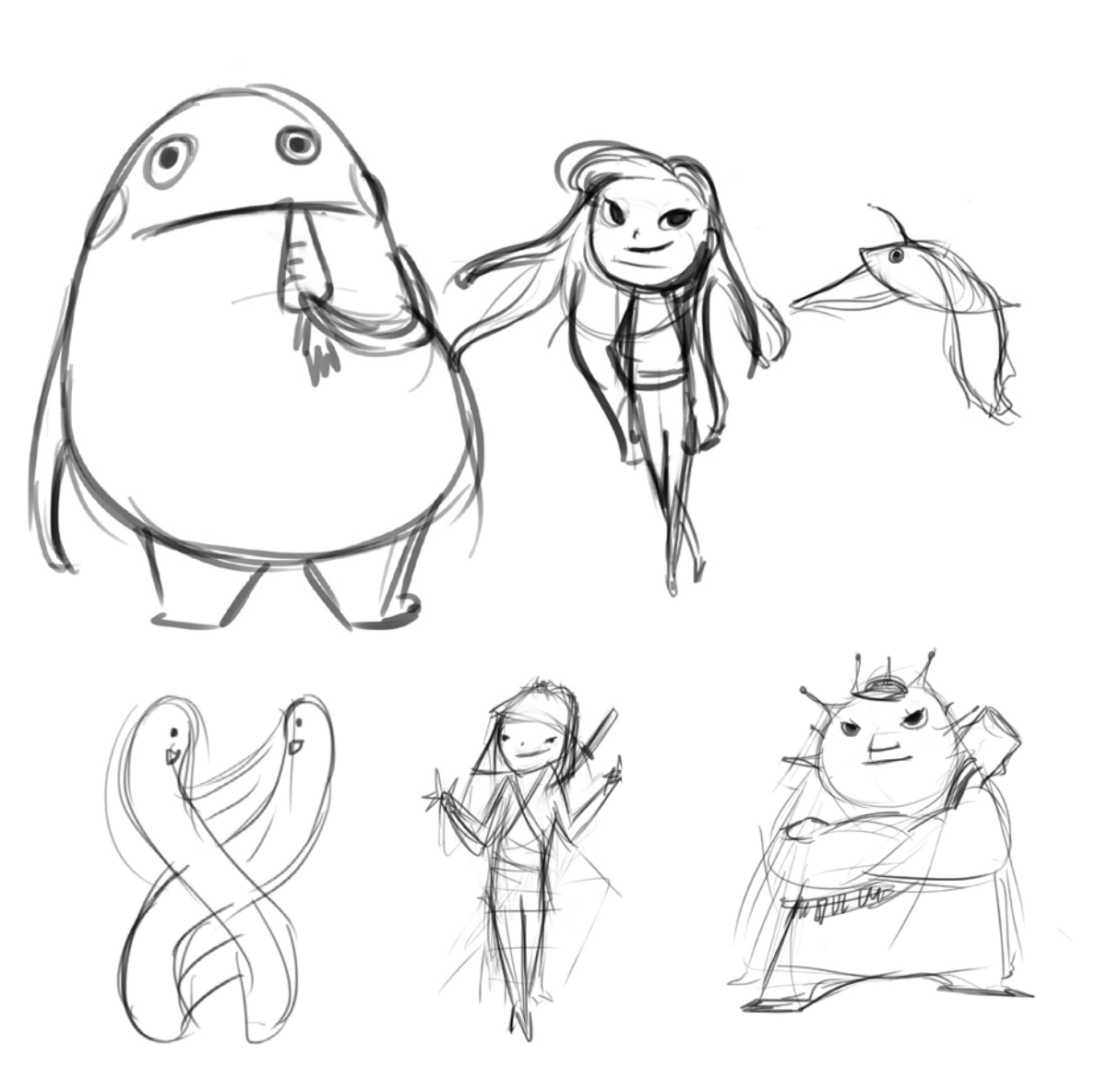
Concept Sketch
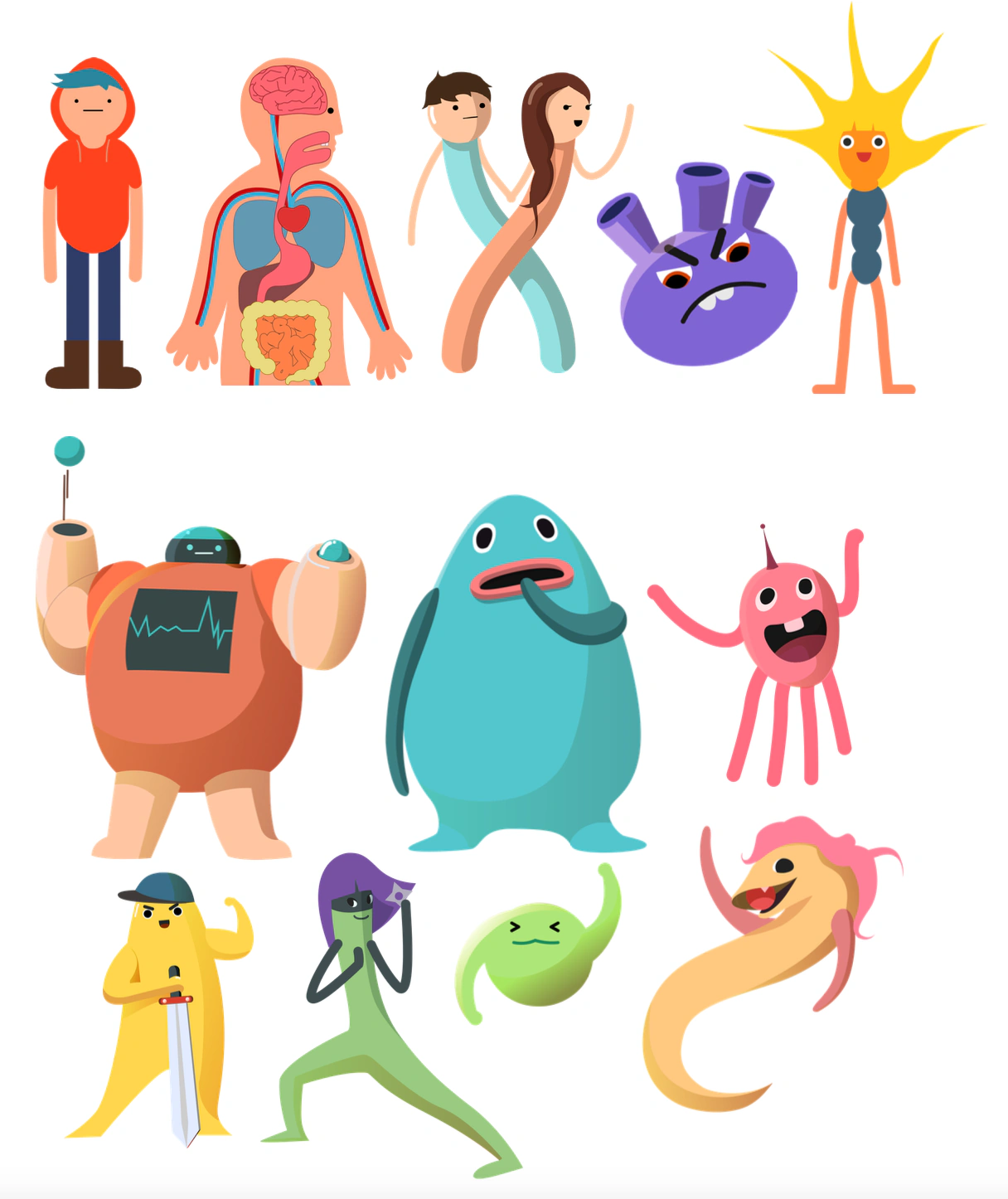
Character Design
Main Character, Immune cells, DNA, Neuron characters
The hospitalized child becomes the main character and becomes the game's main immune cell. Parents become DNA, and siblings can choose immune cells that they want to be except the main immune cell.
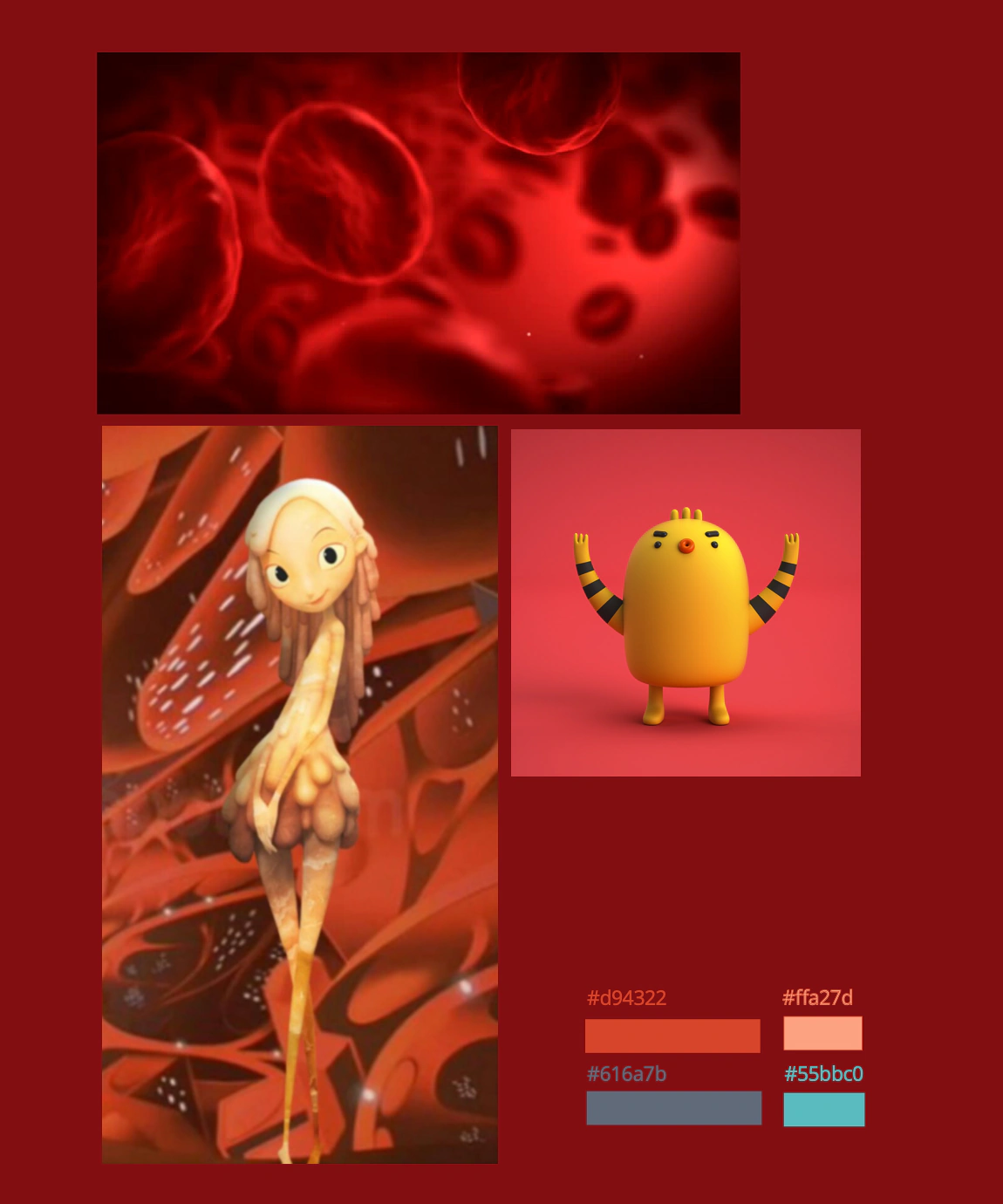
Mood Board
To deliver the feeling of being inside of the body, I set the main color as red. The characters are designed in a simple style to appeal to children.
Final Design
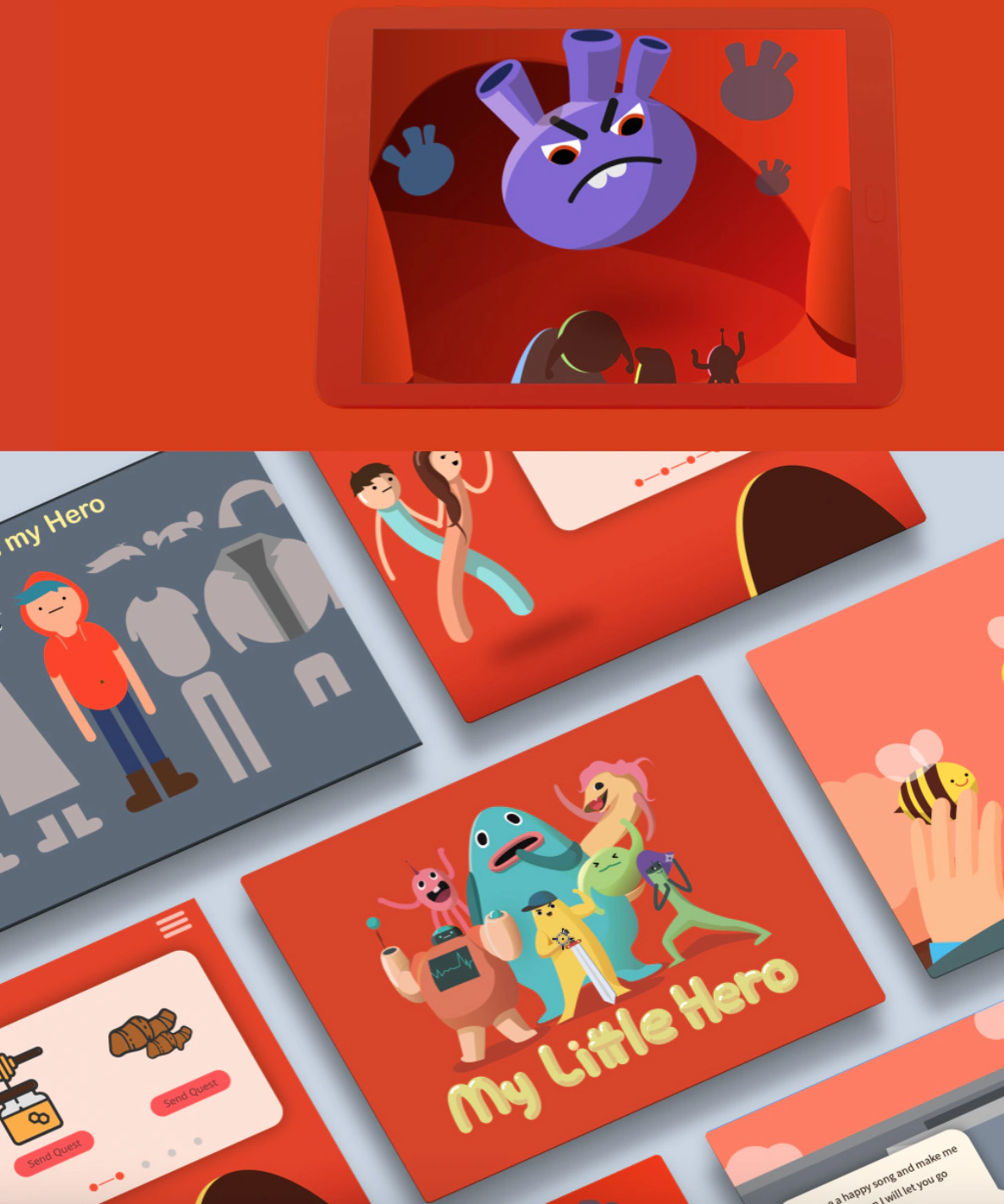
How to play
The hospitalized child plays with the participation and help of family members. Each person has a distinct role: the child becomes the immune-cell hero, the caregiver in the hospital serves as the DNA mentor, and family members outside the hospital support the quest as other cells such as neurons.
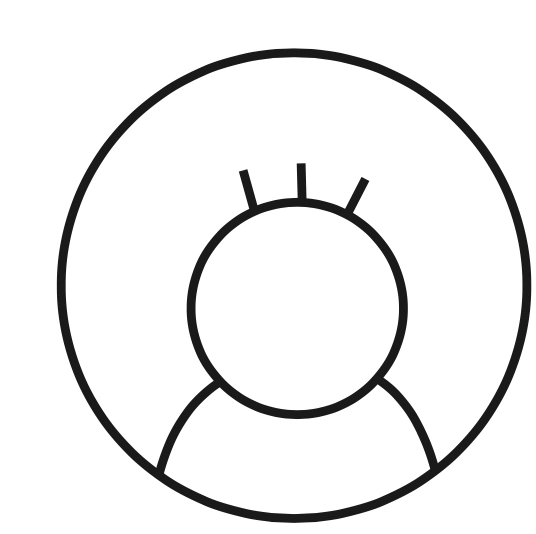
Child in the hospital
Immune-cell hero

Caregiver in the hospital
DNA mentor

Caregiver outside the hospital
Quest supporter
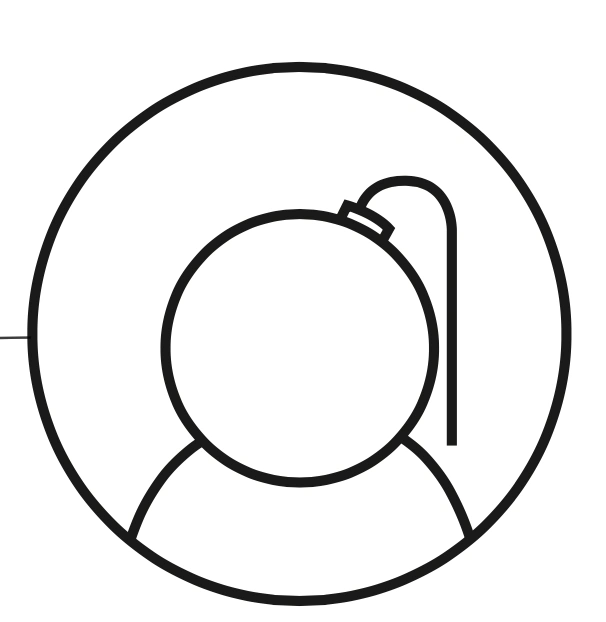
Sibling outside the hospital
Neuron helper
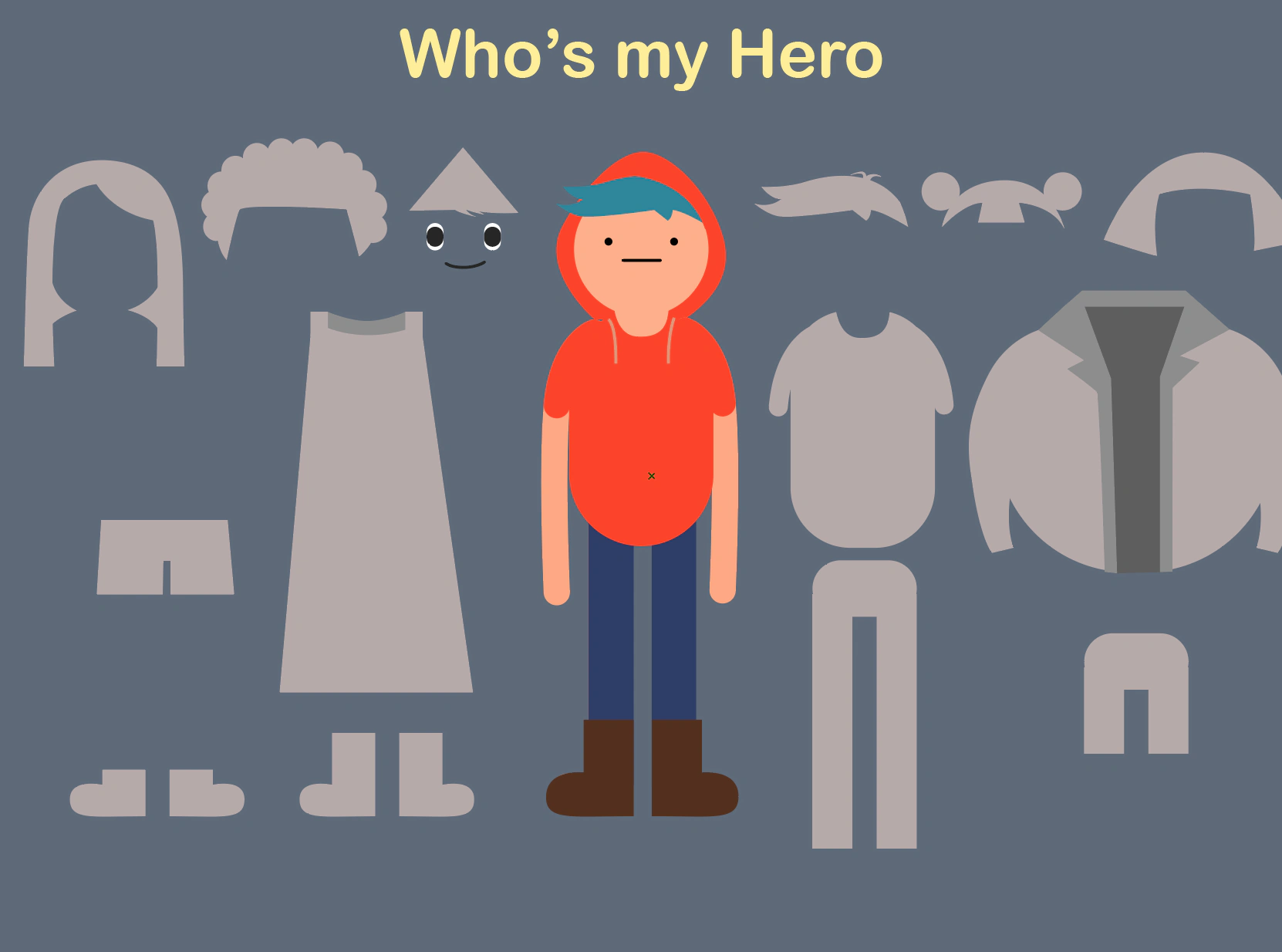
Start the game
The child defines a hero character and begins exploring the body.
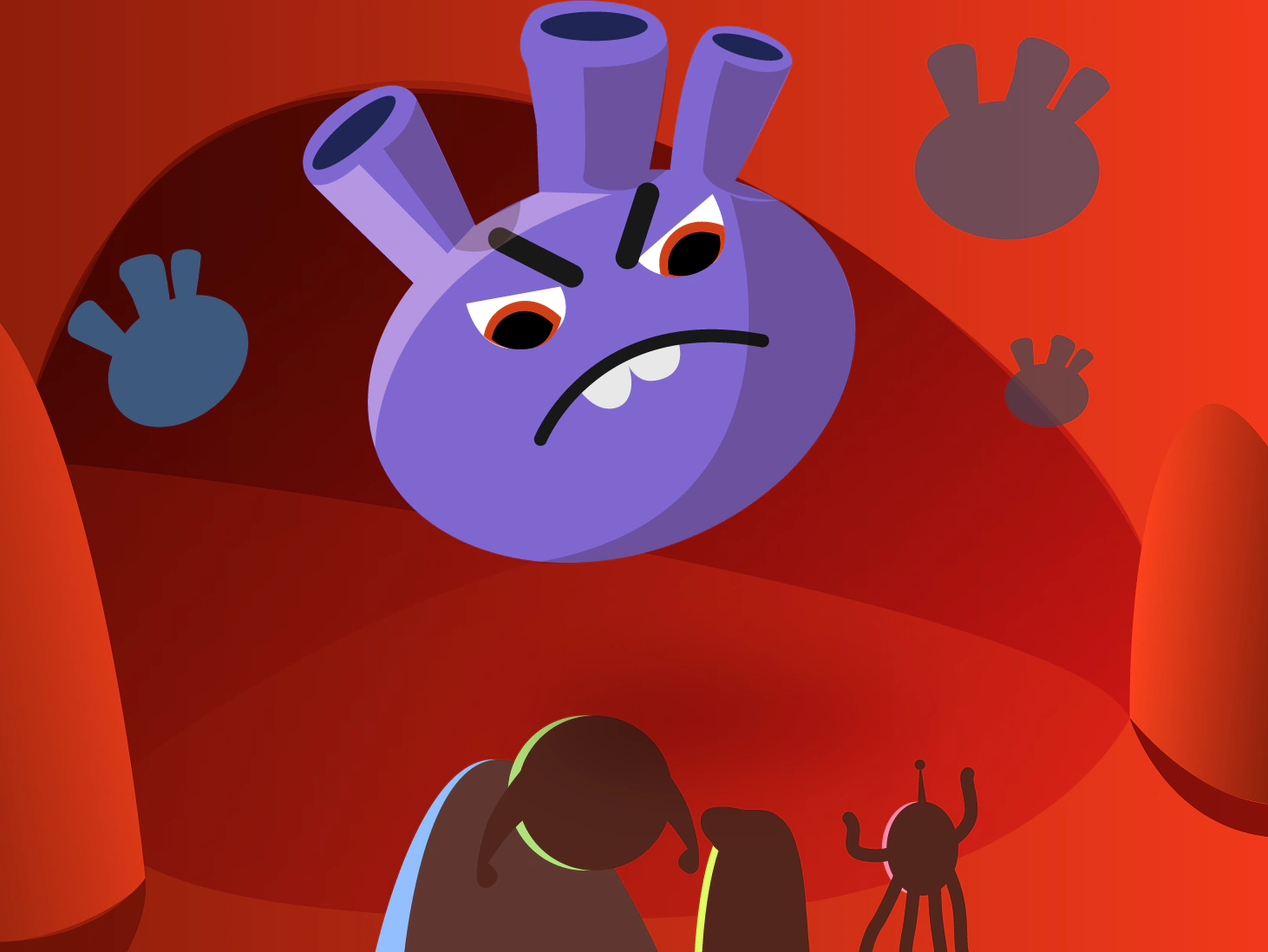
Meet the germ
The hero encounters a germ and needs support from the family to fight it.
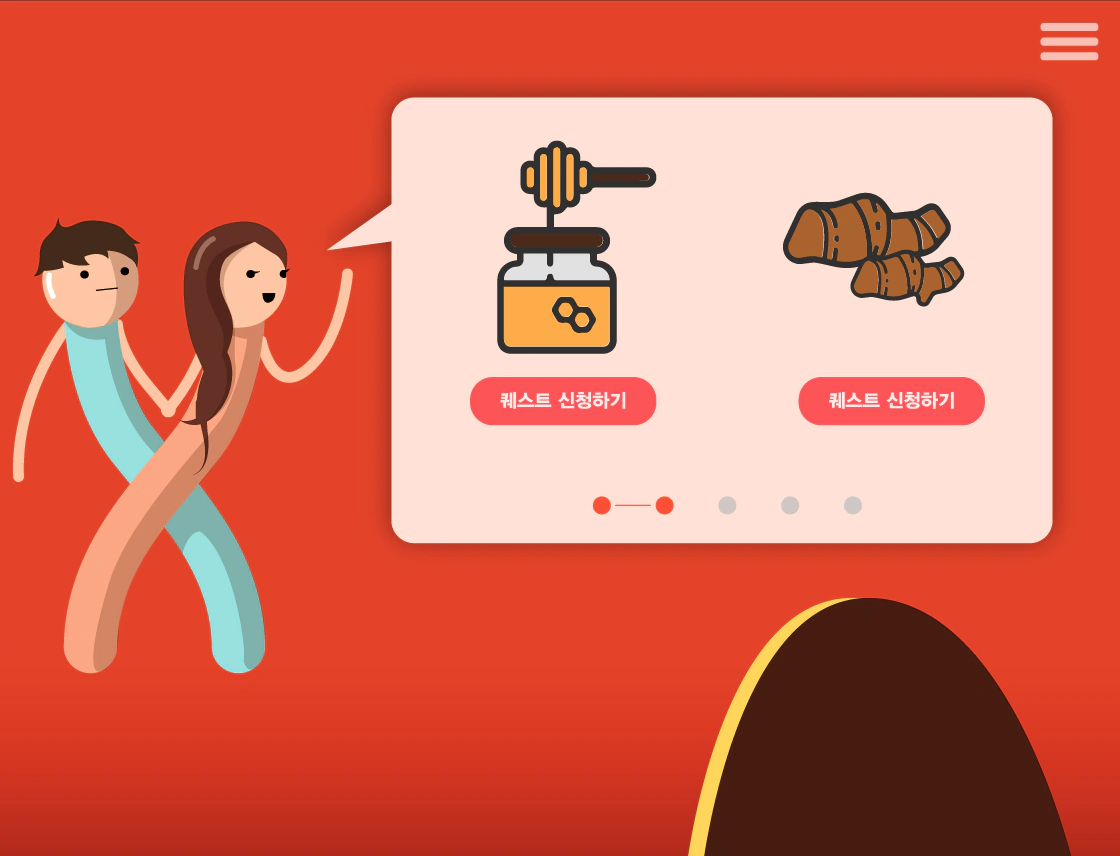
Get help from the mentor
The caregiver in the hospital explains how to defeat the germ and identifies the ingredients the hero needs.
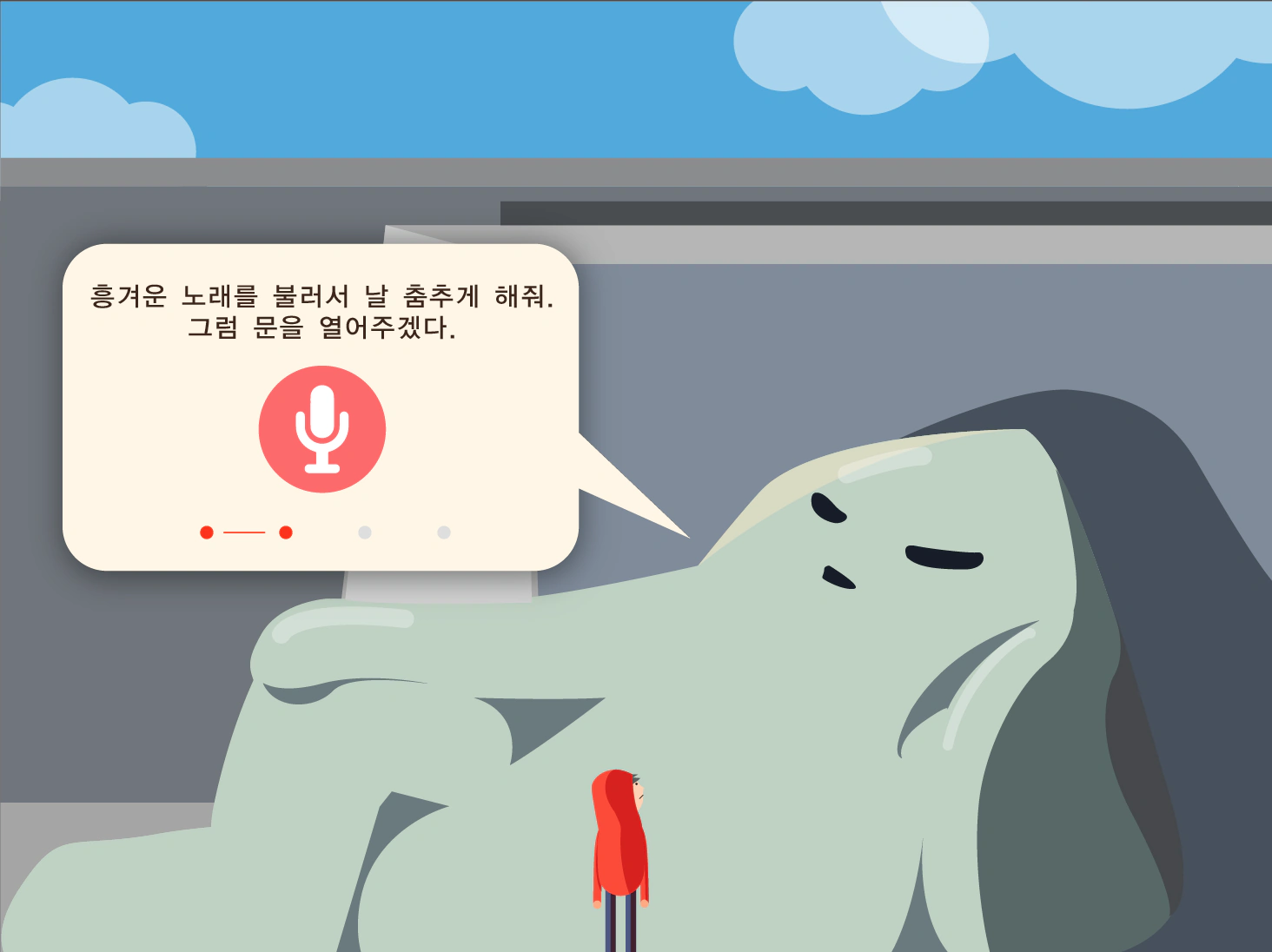
Sing a song to father
The caregiver receives the quest, hears the child's voice, and turns the recording into a bonding moment.
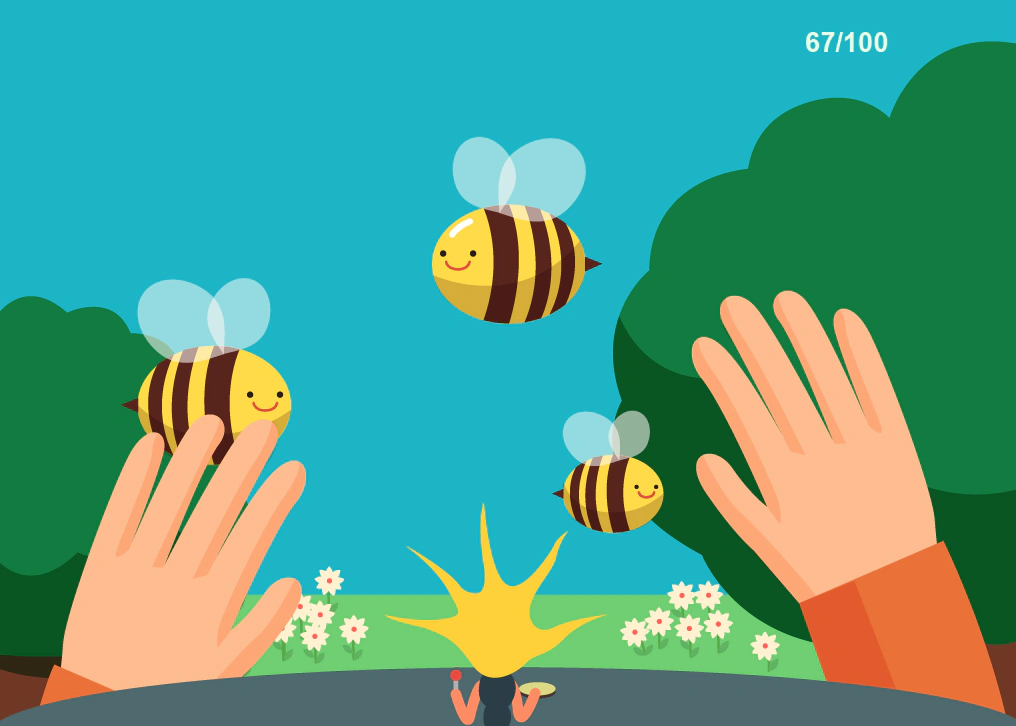
Collect honey
The sibling plays a mini-game to collect honey for the child in the hospital.
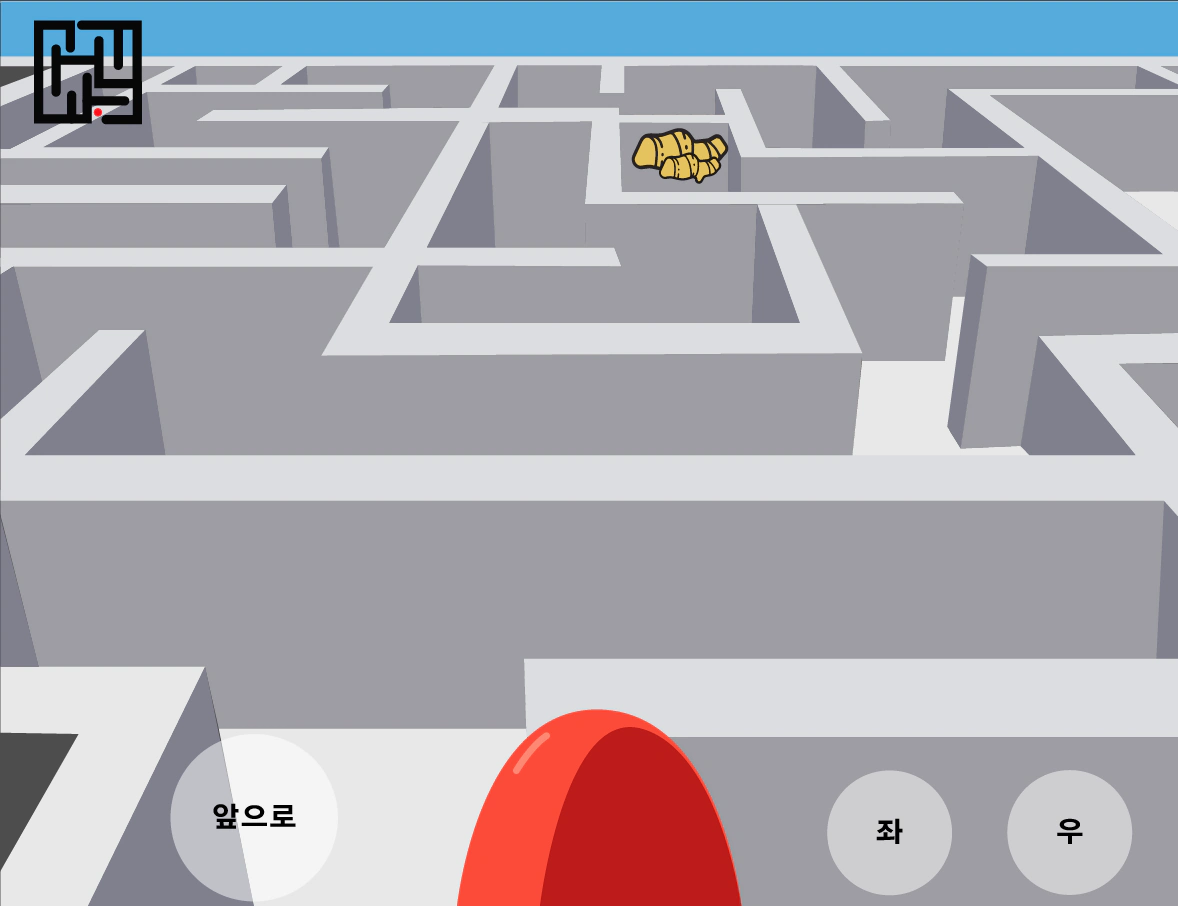
Unlock the mini-game
When the caregiver receives the recording, the child's next mini-game becomes available.
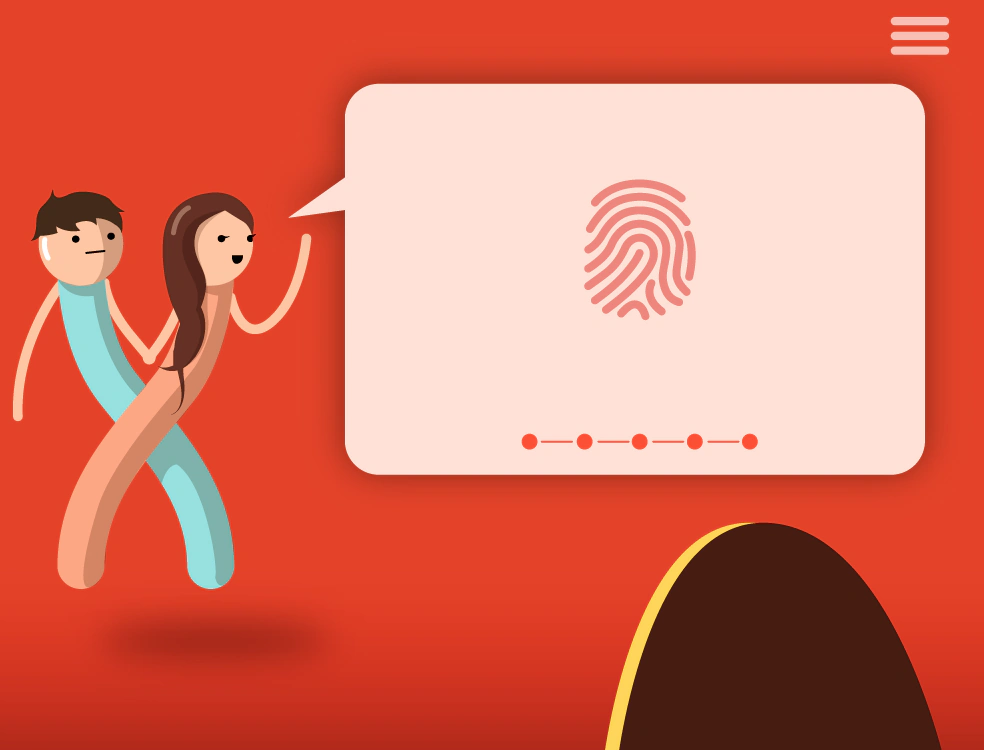
Finish the task
With every ingredient collected and the quest approved, the hero defeats the germ and moves to the next level.
The game turns care into a shared family activity: the child leads the story, family members contribute short tasks, and every response helps the hero progress.